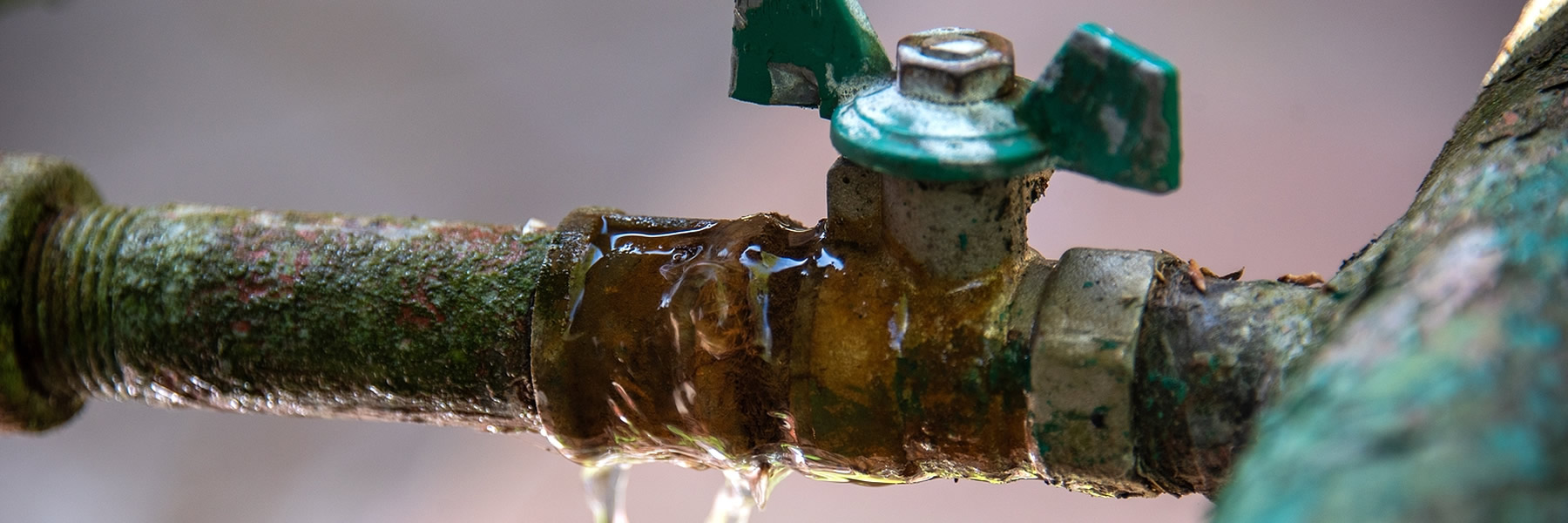
A pipe breaks overnight. By morning, water has spread from the bathroom into the hallway and through the ceiling below. You shut off the water, call a plumber, and start cleaning up. Then come two questions:
- What will my insurance cover?
- Who can help me with the claim?
You can involve a public adjuster at any point in the claim process, even before you report the loss to your insurance company. If you bring in Rosen Affiliates at the beginning, we can review your policy, help document the damage, and report the claim to your insurance company on your behalf.
If you’ve already filed the claim, received an estimate, or been told some or all of the damage isn’t covered, you can still ask us to review it.
Does homeowners insurance cover a broken pipe?
A sudden pipe break may be covered, but the cost of repairing the pipe itself and the cost of repairing the resulting water damage can be treated differently under your policy. A pipe that bursts behind a wall, for example, can damage drywall, insulation, flooring, and cabinetry. The claim may also involve the work needed to dry the affected areas.
Slow leaks, wear and tear, and maintenance-related problems can raise different coverage questions. Sewer or drain backups can also be treated differently from a burst supply pipe. Some policies offer separate water backup coverage with its own limit. The cause of the damage and the wording of your policy both matter.
What should you do when you discover water damage?
- Stop the water if it’s safe to do so. Shut off the affected fixture or the main water supply and take reasonable steps to prevent further damage.
- Document the damage. When practical, take photos and video of the apparent source, each affected room, and damaged belongings before materials are removed. Keep emergency work moving while you document what you safely can.
- Make sure the loss is reported promptly. You can notify your insurer directly or have your public adjuster report it on your behalf. Keep a record of when you discovered the damage and when the claim was reported.
- Save reports, estimates, and receipts. Ask your plumber to document what caused the leak and what was repaired. Keep drying records, contractor estimates, and invoices for emergency work.
Water can travel under flooring, behind cabinets, and into adjoining rooms. The area where you first see water may be only part of what needs to be inspected.